What Makes Things Glow? The Science Behind Halloween’s Eeriest Light
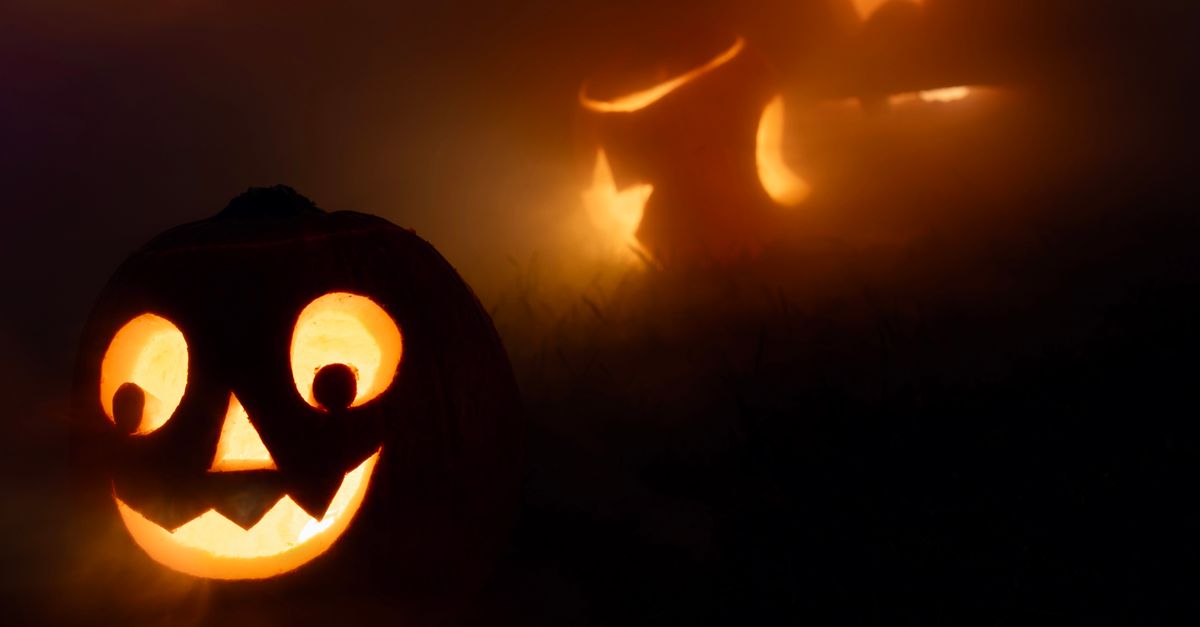
On Halloween night, glowing objects transform ordinary environments into scenes of magical, eerie wonder. The science behind these glowing phenomena is rooted in the way certain materials emit light, a process known as luminescence. This physical principle explains why jack-o'-lanterns, costumes, and decorations seem to come alive after dark, enchanting students and adults alike. At Extreme Science, our assemblies bring these concepts to life with captivating demonstrations that help students understand how and why things glow, especially during the spooky season.
What Is Luminescence?
Luminescence is the emission of light by a substance not resulting from heat. Unlike incandescence, which produces light from a hot object (such as a candle flame), luminescence happens through a different process. In Halloween settings, most glowing comes from luminescence, whether it’s the soft gleam from a glow stick or the flicker inside a carved pumpkin.
The Main Types of Glow
- Chemiluminescence: Light released from a chemical reaction, as with glow sticks.
- Bioluminescence: Light produced by living organisms (like fireflies or some fungi, although not typically seen at Halloween parties).
- Phosphorescence: Materials absorb energy and release it slowly as light, such as glow-in-the-dark paint or stickers.
- Fluorescence: Materials absorb ultraviolet light and re-emit it almost instantly as visible light, often seen under black lights.
How Classic Halloween Lights Work
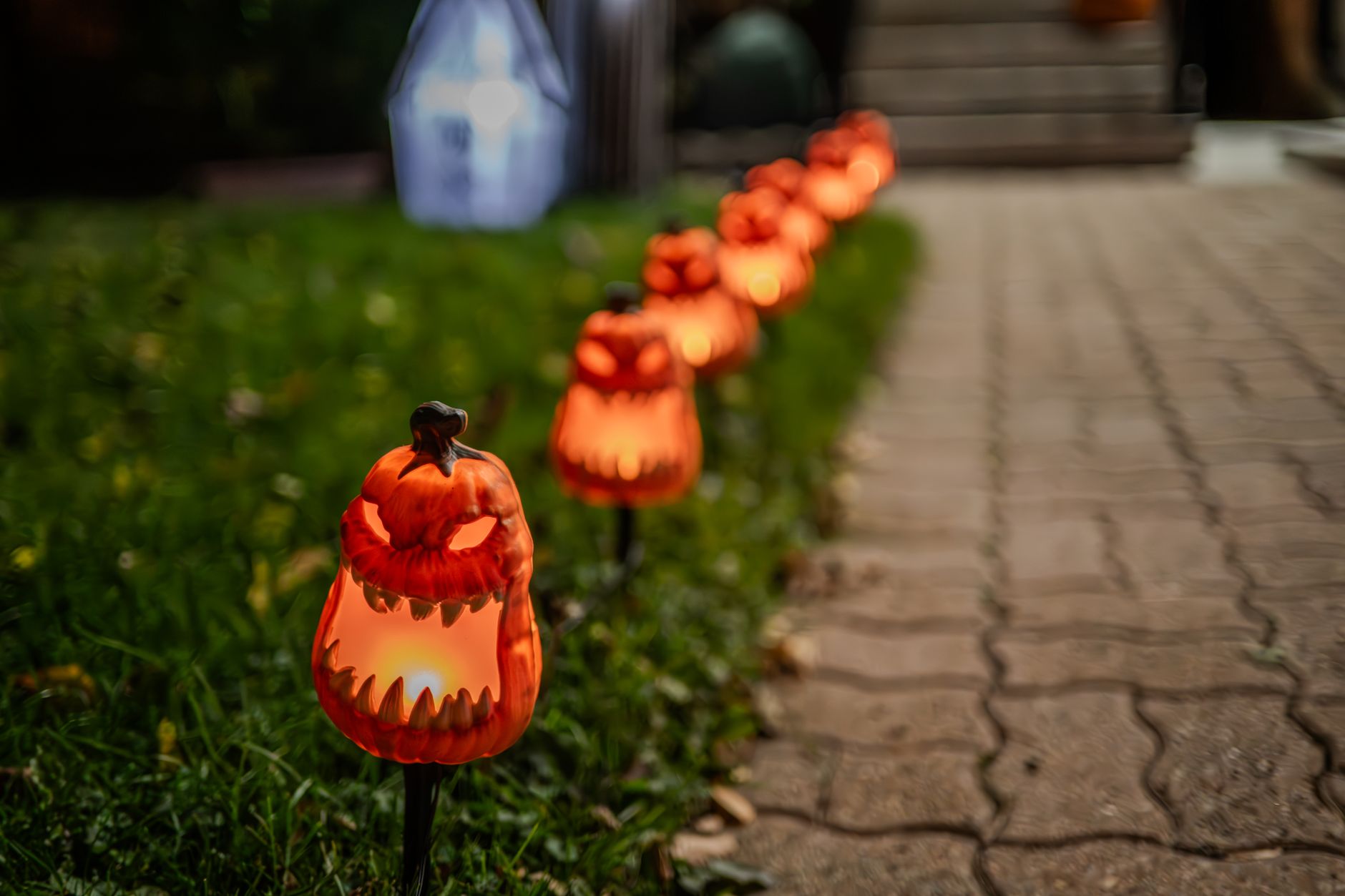
Classic jack-o'-lanterns glow by using traditional candles or small LED lights. The carved openings allow light to escape, casting spooky faces on the ground and walls. While candles use incandescence (burning wax for both heat and light), battery-powered lights and LED candles create a safer way for students to celebrate Halloween at school.
Other glowing decorations depend on modern science:
- Glow sticks rely on chemiluminescence. Inside, two chemicals are kept separate until the stick is bent, breaking an internal barrier. When mixed, their reaction produces energy that excites dye molecules, which then release visible light. No heat is generated, so the stick feels cool to the touch.
- Black lights emit ultraviolet (UV) rays. Special paints, fabrics, and even some teeth or detergents fluoresce, glowing brightly when exposed to UV radiation as their molecules absorb energy and emit it as visible light.
- Phosphorescent toys and stickers absorb energy from a light source and then gradually re-emit it in darkness, enabling ghost and monster cutouts to linger with an eerie afterglow long after the lights are switched off.
Why Do Some Items Glow Brighter Than Others?
The intensity and duration of a glow depend on the material’s properties and the glow mechanism. For example, phosphorescent materials glow longer but dimly, while fluorescent objects can be intensely bright but only under active UV illumination. Chemiluminescent materials, such as those in glow sticks, glow steadily until the chemical reaction is exhausted.
Safety and Risks: Best Practices for Glowing Decorations
Safety is paramount when choosing glowing items for classrooms or Halloween events. At Extreme Science, we stress the importance of supervised activities and non-toxic options. Here are some essential best practices:
- Use LED lights or flameless candles inside pumpkins to minimize fire risk.
- Choose glow sticks and phosphorescent products labeled as non-toxic, especially for young students.
- Handle broken glow sticks with care and encourage washing hands immediately if they are punctured.
- Limit direct exposure to black lights, as excessive ultraviolet light can be harmful with prolonged contact.

Step-by-Step: Bringing Glow Science to Your School
At Extreme Science assemblies, students witness and participate in hands-on demonstrations that break down the science of glowing. Our proven framework maximizes learning and safety:
- Observe the Glow: We dim the lights and highlight various glowing items—jack-o'-lanterns, glow sticks, phosphorescent toys—to get students curious and engaged.
- Discover the Source: We explain whether the glow results from chemical reactions, absorbed light, or electric energy (such as LEDs and Tesla coils).
- Experiment Safely: Students have the chance to activate glow sticks or use safe black light torches to test which objects fluoresce, always under supervision.
- Reflect and Discuss: We guide students in observing the differences between glowing methods, encouraging questions about why some objects lose their glow faster than others.
Popular Classroom Demos to Explore Glowing Phenomena
- Chemiluminescence: Crack a glow stick and discuss the chemical reaction.
- Phosphorescence: Hold glow-in-the-dark stickers up to a light, then turn off the lights to see their lingering glow.
- Fluorescence: Shine a black light on white paper or T-shirts treated with highlighters and watch them fluoresce in real time.
- Incandescence: Carefully observe the glow from a traditional candle, relating it to the carbon particles heated to incandescence.
Extreme Science recommends these simple, safe classroom experiments to help students internalize core scientific principles. Visual demonstrations enhance understanding and recall—an idea we explored further in our post Why Visual Demonstrations in School Assemblies Enhance Science Engagement and Understanding.
How Extreme Science Makes Glow Education Unforgettable
What sets Extreme Science apart is our hands-on, interactive approach combined with spectacular visual demonstrations. In our assemblies, students experience phenomena such as glowing beach balls, Van de Graaff generators, and even musical Tesla coils safely and up close. Our proven teaching strategies—developed over more than 25 years—help students retain key concepts about energy, states of matter, and light. As one educator shared, “Your combination of science experiments, facts and humor was very entertaining and sparked the curiosity of many of the students.”

Glossary: Key Terms Explained
- Luminescence: Light emission not produced by heat.
- Incandescence: Light emission due to high temperature.
- Phosphorescence: Slow re-emission of absorbed energy as visible light.
- Fluorescence: Instant emission of absorbed UV light as visible light.
- Chemiluminescence: Light from a chemical reaction, with no heat emission.
- LED: Light-emitting diode, a semiconductor device that emits light when an electric current passes through it.
Best Practices for Bringing Glowing Science into the Classroom
- Choose activities suited to the students’ age group and abilities.
- Supervise experiments closely, especially those involving chemicals or UV light.
- Incorporate visual demonstrations to reinforce core science principles, as our assemblies do.
- Encourage questions and hands-on participation to drive curiosity and understanding.
Frequently Asked Questions
What is the safest way to make a jack-o'-lantern glow in the classroom?
LED tea lights provide the safest glow. They eliminate fire risk and are reusable, making them ideal for school settings.
Why do some glow sticks last longer than others?
The length of a glow stick’s light depends on the types and proportions of chemicals inside. Cooler temperatures can slow the reaction, making the glow last longer, while warmer temperatures speed it up and shorten the glow time.
Can students make glowing materials at home?
Yes, with adult supervision, students can use glow-in-the-dark paints, stickers, or safely crack store-bought glow sticks. For experiments involving chemicals, parental oversight is essential.
What classroom safety measures should be in place for glowing experiments?
Extreme Science recommends always using non-toxic, age-appropriate materials, maintaining adult supervision, and avoiding open flames in learning environments.
How can schools integrate glowing science into broader STEM learning?
By exploring the underlying chemistry and physics of luminescence, teachers can tie glowing science to broader topics like energy transformation, states of matter, and the electromagnetic spectrum. Assemblies like ours provide visual, memorable entry points for deeper science discussions.
Conclusion
The science of what makes things glow is a vivid gateway to larger ideas about energy, matter, and safety. By demystifying the glowing effects of Halloween through engaging, hands-on learning, Extreme Science empowers students to see the wonder behind the glow. Our school assemblies are designed to ignite curiosity and reinforce essential principles in a fun, memorable way. To bring the excitement of live science directly to your school and inspire students year-round, consider scheduling an Extreme Science assembly or exploring our collection of engaging science assembly ideas.
Interested in more ways to spark curiosity and connect science learning to everyday experiences? Read our detailed post on What Makes Fog Rings, Floating Balls, and Electricity Demos So Memorable for Students? for further inspiration!